Finding a solid spot to play live dealer pokie race AUD without the fuss is harder than it sounds, especially when you want the interface to feel built for locals rather than dumped over from overseas. You want the numbers to add up, the menus to make sense, and the support to actually answer when something goes sideways during an arvo session.
Interface and Localisation That Actually Fits
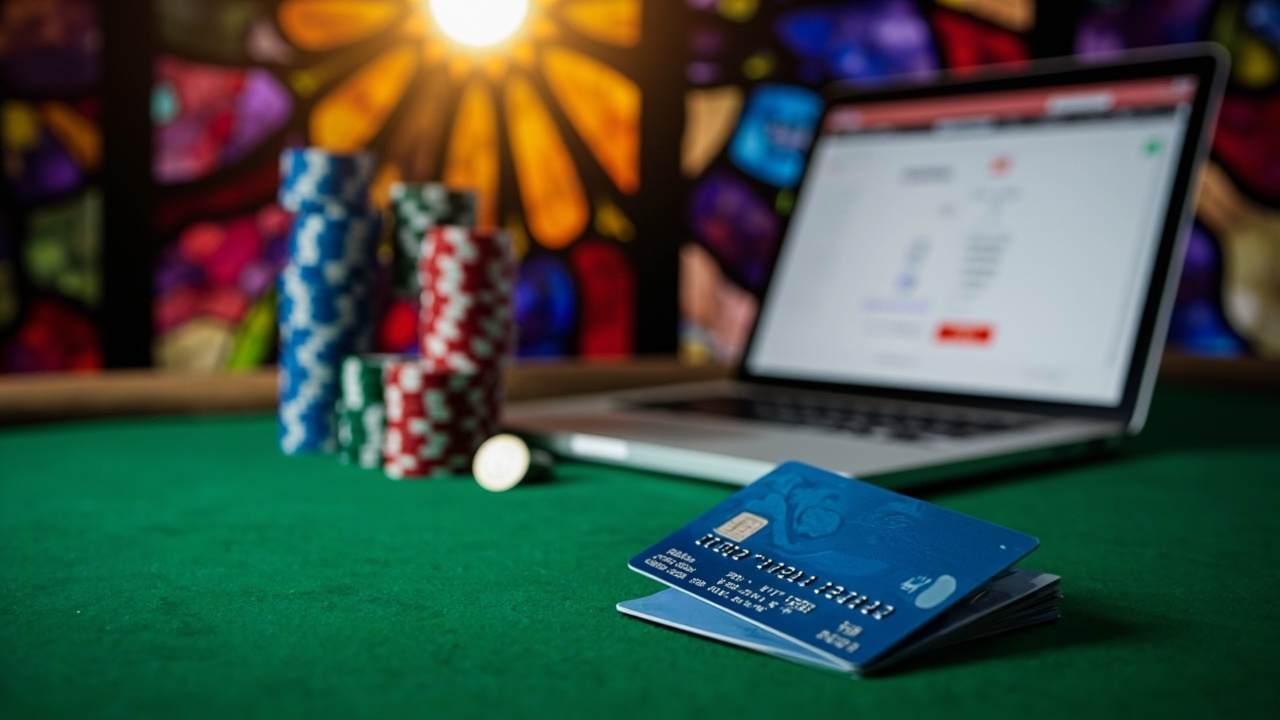
When I look at a platform from a banking and analytics angle, I treat the interface like a transaction ledger first and an entertainment surface second. If the navigation is messy or the localisation is half-baked, the data behind it usually is too, and that affects everything from deposit timing to how quickly an incident gets logged. A decent live dealer pokie race AUD setup should present currency in AUD by default, keep the menus flat enough that you can find a game without clicking through three layers of folders, and show localisation cues that feel native rather than translated by a script. The visual identity matters here too, because casino playing surfaces are traditionally covered in green baize felt, and when a live table replicates that texture properly it signals the studio has paid attention to the small details instead of chasing a generic look.
Before you even sit down at a table, it pays to check a stellarspins review so you can see whether the site’s navigation and language settings hold up under real use rather than just on a marketing page. The best setups let you switch between games without losing your balance display, keep the chat readable without crowding the betting controls, and present terms in plain English instead of burying them in dense blocks of text. When the localisation is done properly, you do not have to mentally convert currencies or guess whether a bonus condition applies to your region, which cuts down on the kind of confusion that turns a quiet session into a support ticket.
How a Player Actually Uses the Platform
Getting In and Sorting the Basics
Registration should feel like filling out a standard form rather than navigating a maze, with clear fields for your details and a straightforward path to verifying your account. A platform built for live dealer pokie race AUD will typically ask for the usual identity checks upfront, accept Australian-friendly payment methods, and show your balance in AUD without forcing you to toggle between currencies. The mobile view needs to carry over the same structure as the desktop version, because half the time you are playing on a phone during a break and you do not want the buttons shifting around every time you rotate the screen. If the registration flow is clean, you spend less time fighting the site and more time actually seeing how the tables run.
Reading the Tables and Placing Bets
Once you are in, the real test is how the live table presents its information during a busy round. A well-built live dealer pokie race AUD experience keeps the dealer’s actions clear, shows the current round status without lag, and places the betting controls where your eye naturally lands instead of hiding them behind overlays. The pace matters just as much as the layout, because a table that runs too fast for the interface to keep up creates the same kind of operational friction I see when a support queue backs up and incident tickets start stacking. You want the game to feel steady, with the chat working as a genuine channel rather than a scrolling distraction, and the bet limits should be displayed plainly so you can judge the table against your own bankroll before you commit.
Support, Payments, and What Happens When Things Go Wrong
No platform runs perfectly every session, so the way a site handles a payment delay or a disconnected round tells you more than any glossy homepage ever will. From a support and compliance standpoint, I judge a live dealer pokie race AUD operation by how clearly it logs an incident, how fast it acknowledges the issue, and whether the resolution path is explained in plain terms rather than generic boilerplate. Payment flows should be consistent, with AUD handling that does not suddenly flip you onto a different processing route mid-session, and the loyalty or bonus mechanics need to be visible enough that you can see what applies before you opt in. When a site treats these operational details as first-class features instead of afterthoughts, the whole experience feels more stable, even when the table is busy and the pace picks our portal up.stellarspins review Live Blackjack Salon Prive: A Closer
- Check that the balance displays in AUD before you deposit, not just on the marketing page.
- Test the mobile layout during a live round rather than on the lobby, so you see how the controls behave under load.
- Read the bonus terms in the same section where they appear, not in a separate document that vanishes after sign-up.
- Note how the chat responds during a busy arvo session, because that is when support quality shows up most clearly.
- Keep your verification documents ready before you plan a bigger session, so a routine check does not interrupt your rhythm.
Who This Setup Suits Best
A live dealer pokie race AUD environment suits players who want the pace of a live table without losing the familiarity of an Australian-friendly interface. It works best for people who value clear navigation, steady AUD handling, and a support structure that feels responsive when something needs sorting, rather than players chasing a vague sense of exclusivity. If you are the sort who likes to read the table, keep an eye on your bankroll, and expect the platform to behave consistently across mobile and desktop, this kind of setup has enough structure to hold your attention. It is less suited to anyone who wants a stripped-back experience with no identity checks, because the operational side here is built around compliance and stable service, not around cutting corners.

If you want a closer look at how a different live table format runs, you can read more on live blackjack salon prive and compare how that style of play handles pacing and table structure against what you would expect from a pokie race setup. The comparison is useful because it shows how much the interface and table design shape the session, not just the game itself.